How much electricity do you use?
System sizing starts with actual consumption, not just the home's square footage. Review past bills and planned changes such as electric vehicles or heat pumps.
A good solar system should fit your home, electricity usage, utility rate and long-term plans. Understand the installation process, battery options, financing and California's current solar economics before making a decision.
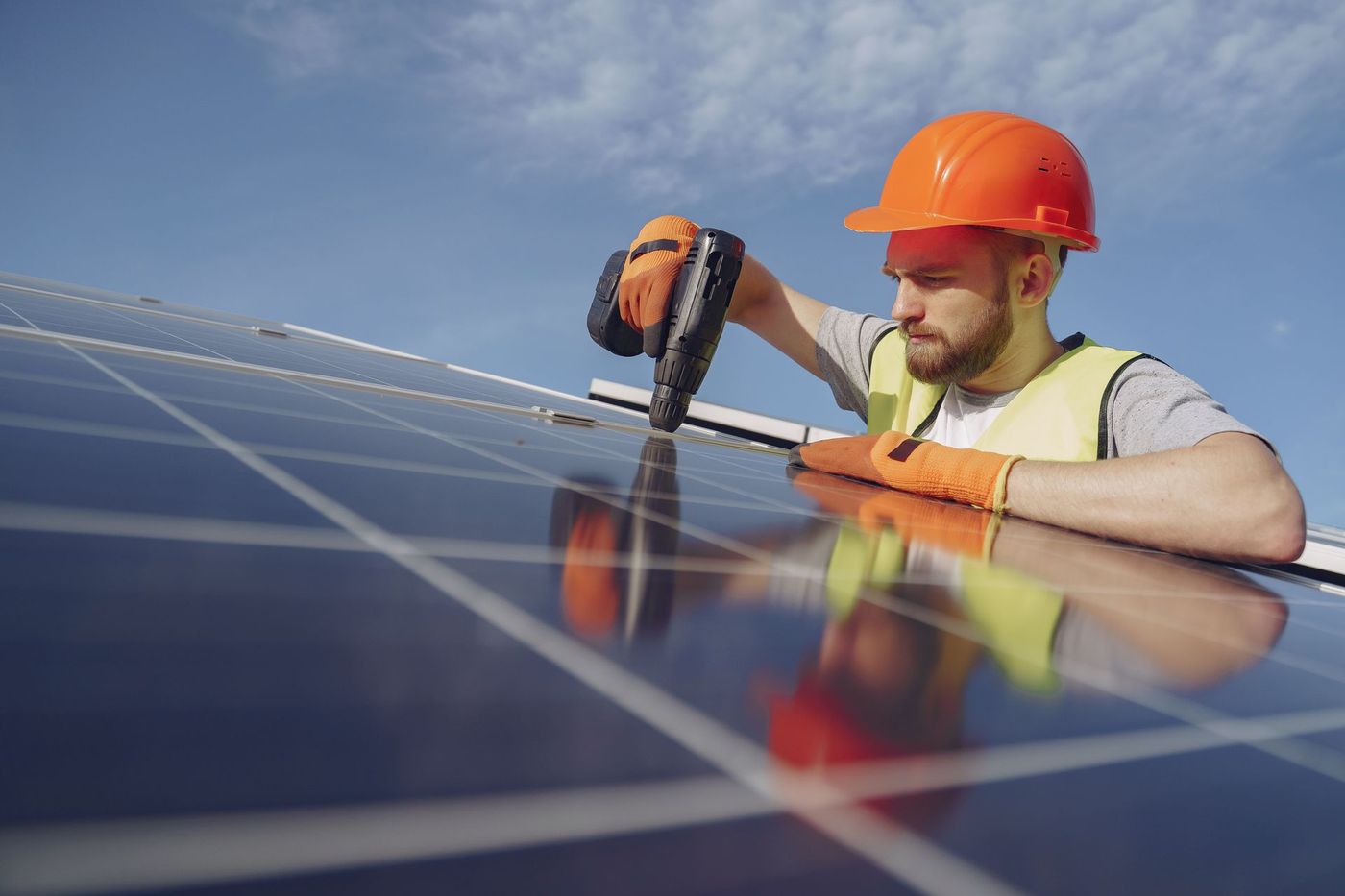
Solar equipment is only part of the investment. Your roof, utility, energy habits and financial goals determine whether a proposed system makes sense.
System sizing starts with actual consumption, not just the home's square footage. Review past bills and planned changes such as electric vehicles or heat pumps.
Export compensation and billing rules differ between Southern California Edison and municipal utilities such as Glendale, Pasadena, Burbank and LADWP.
A battery may improve the usefulness of daytime generation and provide backup power when designed for it. Its costs and benefits need separate analysis.
Roof age, condition, orientation, shading and available space affect installation suitability. Roofing work may be more practical before panels are installed.
Existing electrical service and panel configuration must support the proposed system. An upgrade is not always required, but should be evaluated.
Compare the full installed cost, financing terms and estimated savings. A $0-down loan is not the same as a free solar system.
Southern California receives substantial sunlight, making many properties physically suitable for solar generation. However, sunlight alone does not determine whether purchasing a system is a good financial decision.
The answer depends on the price of the installation, the amount of electricity the system can produce, when that electricity is used, the homeowner's utility tariff and the expected cost of financing or battery storage.
An appropriately designed system may reduce electricity purchased from the utility. But a system that produces more energy than a household can use economically is not necessarily the better investment.
Any proposal should explain expected annual production, the household consumption assumptions, estimated utility charges after installation and the basis for any projected savings.
A responsible estimate should also account for ongoing utility charges, rate uncertainty, equipment performance changes and maintenance or replacement considerations.
California's Net Billing Tariff, commonly known as NEM 3.0, changed how eligible new customers of Southern California Edison (SCE), Pacific Gas and Electric (PG&E) and San Diego Gas & Electric (SDG&E) are compensated for exported solar electricity.
Under this structure, exports generally receive credits substantially below the retail price of electricity purchased from the utility. Export values also vary over time.
This makes onsite consumption more important than under older net-metering arrangements. Instead of focusing exclusively on total annual generation, a homeowner should consider when solar energy is produced and when the household needs it.
Without storage, unused midday solar production may be exported for relatively low compensation. The household may then purchase electricity later in the day, potentially at a much higher rate.
A battery can store some of the electricity generated earlier and supply it during selected later periods.
Whether a battery pays for itself depends on equipment price, storage losses, usage patterns, rates and operating strategy. It is not a guaranteed financial benefit.
Read our home battery storage guide for retrofit, backup and battery-only considerations.
NEM 3.0 should not be applied indiscriminately to every Southern California address.
Glendale Water & Power, Pasadena Water & Power, Burbank Water & Power and Los Angeles Department of Water and Power operate their own electric utilities.
Their rate structures, interconnection requirements and solar export arrangements are separate from those of SCE.
Confirm the actual utility serving the property before calculating expected savings. Never assume that a nearby neighborhood has the same billing rules.
The federal Residential Clean Energy Credit under Section 25D ended for homeowner expenditures made after December 31, 2025. Homeowners purchasing a new residential solar installation in 2026 should not assume they can claim the former 30% federal purchase credit.
Some older online calculators and advertisements may still show savings based on that credit. Ask for an updated estimate that does not include it. Other incentive programs and commercial tax provisions are separate questions with their own eligibility requirements.
System size is typically described in kilowatts of solar generating capacity. It should be based on the property's electricity usage, available roof space, shading and realistic production estimates.
A homeowner who uses electricity mainly at night may benefit from a different configuration than one who works from home and uses substantial power during sunny hours.
Planned purchases also matter. Adding an electric vehicle, switching from gas appliances to electric equipment or installing a heat pump may change future consumption.
Conversely, replacing old appliances with efficient equipment can reduce demand.
A useful proposal should describe both the proposed system capacity and expected annual electricity generation, with assumptions about shading and site conditions.
A complete installation involves more than rooftop panels. Equipment selection and electrical design affect safety, production, monitoring and future serviceability.
Solar photovoltaic modules generate DC electricity from sunlight. Panel selection involves output ratings, physical dimensions, available installation space, manufacturer terms and compatibility with the rest of the system.
Inverters convert solar-generated DC electricity into AC electricity suitable for household use and grid interconnection.
A system may use central or string inverters, microinverters or other compatible arrangements. Some architectures also use module-level power optimizers.
Each approach has different design and servicing considerations. Ask the installer why the recommended architecture fits your roof and electrical needs.
Solar installations also require appropriate mounting hardware, electrical wiring, protection equipment, grounding and interconnection components.
Roof penetrations, waterproofing, structural considerations and applicable fire-access requirements must be addressed in the design.
Modern equipment often includes production monitoring through a manufacturer application. Some configurations provide panel-level information; others report system-level production.
Monitoring can help detect performance changes, but reliable internet or communications connectivity may be needed to keep information current.
Batteries can store electricity for later use and may provide backup power when the installation includes the required hardware. Battery capacity and backup coverage should be designed around household needs.
The specific sequence depends on the home, utility and local permitting authority. A typical project follows several major stages.
Installation and approval timelines can vary substantially with permitting, equipment availability, electrical upgrades and utility processing. Do not rely on a guaranteed completion date unless the contractor has established a realistic project schedule.
Solar panels may remain installed for many years. If a roof is already near the end of its useful life, installing panels before necessary roofing work can create additional expense.
A future roof replacement may require temporary removal, storage and reinstallation of solar equipment.
The installer offers panel removal and reinstallation for re-roofing projects. However, avoiding unnecessary removal work is generally worth considering during the initial planning stage.
A qualified roofing assessment may be appropriate when roof condition is uncertain. Solar contractors and roofing contractors have distinct responsibilities.
Not every solar installation requires a new main electrical panel. The answer depends on existing equipment, electrical capacity, interconnection methods and the proposed design.
Older homes may have panels that require closer evaluation, particularly when the project also involves batteries, EV charging or other electrical improvements.
The installer should explain whether a panel upgrade is necessary, what alternatives are available and which costs are included.
The installer offers main electrical panel upgrades, EV charger installations and other electrical services.
Financing options vary by project and lender. Ask the installer what is currently available, and compare the total cost of credit before signing.
Zero down means an eligible borrower may not need an initial down payment. It does not mean there is no cost to install or own the system.
Compare the total project price with the total amount repayable under the loan. Review interest rates, loan fees, repayment terms, early repayment provisions and how financing affects the overall economics.
The installer states that the systems it provides are customer-owned, not solar leases.
A financed customer-owned system is still subject to contractual payment obligations, even if electricity savings are lower than predicted.
Solar projects often include different warranties covering different responsibilities. These should not be treated as one interchangeable guarantee.
The installer offers a 25-year workmanship warranty on new installations. It does not cover pre-existing systems — repairs and service work carry the warranty terms stated in the written quote. Ask for the written warranty terms to understand coverage, exclusions, claim procedures and the work to which the warranty applies.
Manufacturer equipment warranties may have different periods and conditions. Do not assume the contractor's workmanship warranty extends every manufacturer's equipment coverage.
SoCal Solar Help refers installation inquiries to one identified licensed company: the licensed local installer.
Services include:
These are contractor-reported credentials and service details. Current ratings, license status, certification standing and written warranty conditions should be independently verified before entering an agreement.
The installer serves Southern California from Lancaster to San Diego, subject to location and project availability.
SoCal Solar Help does not perform inspections, engineering, electrical work or installations. Those responsibilities remain with the licensed contractor.
A written solar proposal should make the scope of work and financial assumptions understandable. Before signing, consider asking:
If any proposed savings figure is unclear, ask which assumptions produce that estimate. A quote should be understandable before it becomes a binding contract.
Whether you are planning a residential solar installation, a commercial project, an expansion of existing panels or solar with battery storage, The installer can discuss the available project path.
Call or text (626) 888-7256 . the installer's stated contact hours are Monday through Saturday, 6 AM to 10 PM.
You can also use the inquiry form below to describe your property, utility and installation goals.
Not every property needs the same equipment or project scope.
Rooftop solar systems designed around household electricity consumption, roof conditions and applicable utility rules.
Combined solar and storage installations that may improve onsite energy use and provide backup when properly configured.
Explore storageBusiness installations requiring project-specific analysis of operating hours, demand, tariffs and site conditions.
Additional generating capacity for suitable existing systems, subject to electrical compatibility, permitting and utility rules.
Main panel improvements, EV chargers and associated electrical work where needed for the project.
Repairs, maintenance, monitoring assistance and system adoption when a new installation is not necessary.
Explore repair optionsIt can be, depending on the installed price, electricity usage, utility tariff, expected production and financing. An estimate should use current rules and realistic assumptions, not guaranteed savings.
No. The federal Residential Clean Energy Credit ended for homeowner expenditures made after December 31, 2025. A new 2026 homeowner purchase should not be priced using the former federal 30% credit.
Not necessarily. Batteries are optional for many projects, but can be important under California's Net Billing Tariff because export credits are generally much lower than retail electricity prices. A battery's value depends on your circumstances.
Those cities have municipal electric utilities with their own programs and rules. The investor-owned utility Net Billing Tariff is not automatically applicable. The actual service provider must be confirmed.
The installer reports financing options through financing programs the installer works with. Approval, rates, eligible improvements and repayment conditions depend on the specific program and financing agreement.
the licensed local installer, handles inspections, estimates and installation work. SoCal Solar Help is an independent information and referral website.
Get connected with the installer the licensed local installer for a property-specific discussion and installation proposal.
Include your city, electric utility, approximate electricity usage and whether you want battery storage.
You do not need a completed system design before making contact. The licensed installer is responsible for assessing the property and preparing any proposal.